
Lightning Protection Systems – Inspection & Testing
This EAL accredited 1 day course provides a review of the requirements of Lightning Protection Systems in accordance with BS EN 62305. It looks in detail at the requirements for the inspection, testing and certification of Lightning Protection Systems. This course is aimed …
Overview
This EAL accredited 1 day course provides a review of the requirements of Lightning Protection Systems in accordance with BS EN 62305.
It looks in detail at the requirements for the inspection, testing and certification of Lightning Protection Systems.
This course is aimed at those responsible for the inspection and testing of Lightning Protection Systems.
Who should attend?
There are no formal entry requirements, but the qualification is primarily aimed at qualified electricians and other allied professionals and trades needing to update and enhance their understanding of Lightning Protections Systems in accordance with BS EN 62305.
It may also be suitable for anyone wishing to demonstrate a greater understanding of Lightning Protection Systems.
Training Methodology
The scheme covers topics such as causes of lightning, risk assessment, the methods of protection including surge protection and inspection and testing to meet the standards of BS EN 62305.
The course is concluded with a short open-book exam.
Successful learners will be issued with a certificate accredited by EAL.
Course Content
- Formation of Lightning Storms
- Transient Overvoltages
- Lightning Protection Standards (BS EN 62305)
- Damage caused to buildings and equipment
- Overvoltage protection
- Types of loss due to lightning strikes
- Risk assessment for lightning protection
- Protection of structures
- Surge Protection
- Earthing, Bonding and Terminations
- Safe Working at Height
- Inspection and Testing (includes practical demonstrations)
- Documentation
- Short multiple-choice test
FAQs
Q. Will this course provide a formal qualification?
A. To the best of our knowledge, there is no formal, Ofqual registered, qualification available for this subject. This course has been accredited by the awarding body EAL and on successful completion of the course students will receive a formal certificate issued by EAL confirming they have successfully completed the course.
Q. Will potential clients expect me to have a formal qualification to inspect and test a lightning protection system?
A. This will depend on the client. There is no formal qualification for inspecting and testing lightning protection systems. This course will provide a formal certificate awarded by EAL to provide evidence that you have received formal training in the subject.
Some clients may expect their contractors to be fully qualified electricians or hold a relevant electrical inspection and test qualification e.g. City and Guilds 2391. Health and Safety legislation requires that operatives must be deemed competent to carry out their duties as evidenced by relevant training and experience.
Q. Who is the course aimed at?
A. It is aimed at those wishing to inspect, test and maintain lightning protection systems. It is also aimed at those who wish to gain a better understanding of lightning protection systems and who have management responsibilities for the maintenance of such systems e.g. Facilities management, site services etc.
Q. Will I be competent to inspect and test lightning protection systems by attending this course?
A. To be deemed competent you will need both training, knowledge and relevant experience. The course will provide relevant training and enable you to gain knowledge of the subject. Experience can only be gained in the workplace, preferably working, initially at least, alongside someone that is experienced.
Q. Do I need to be a qualified electrician to attend the course?
A. The course is primarily aimed at electricians who have the relevant knowledge and experience of inspection and testing of electrical systems, knowledge of earthing and bonding and surge protection. However, it does not preclude those wishing to gain a better understanding of these systems.
Q. Do I need any formal qualifications prior to attending the course?
A. There are no requirements for formal qualifications to attend this course, but it is expected that those attending will have a sound understanding of basic electrical and scientific principles.
Q. Will the course enable me to design a lightning protection system?
A. The course is not intended for designers of lightning protection systems. However, the course does discuss the risk assessment process to provide an insight into the design process to determine the type of lightning protection system a building may require to protect properties, contents, life and services.
Q. Will the course enable me to install Lightning Protection Systems?
A. The course is intended for maintainers of existing lightning protection systems. It is not intended for installers of new lightning protection systems but does give an insight to the types of systems, its components and examples of different installations.
Q. Does the course cover relevant standards?
A. The course introduces and explains the standard for lightning protection i.e. BS EN 62305 parts 1 to 4. It also refers to relevant parts of BS7671 The wiring Regulations (latest edition).
Q. Does the course explain how to test lightning protection systems?
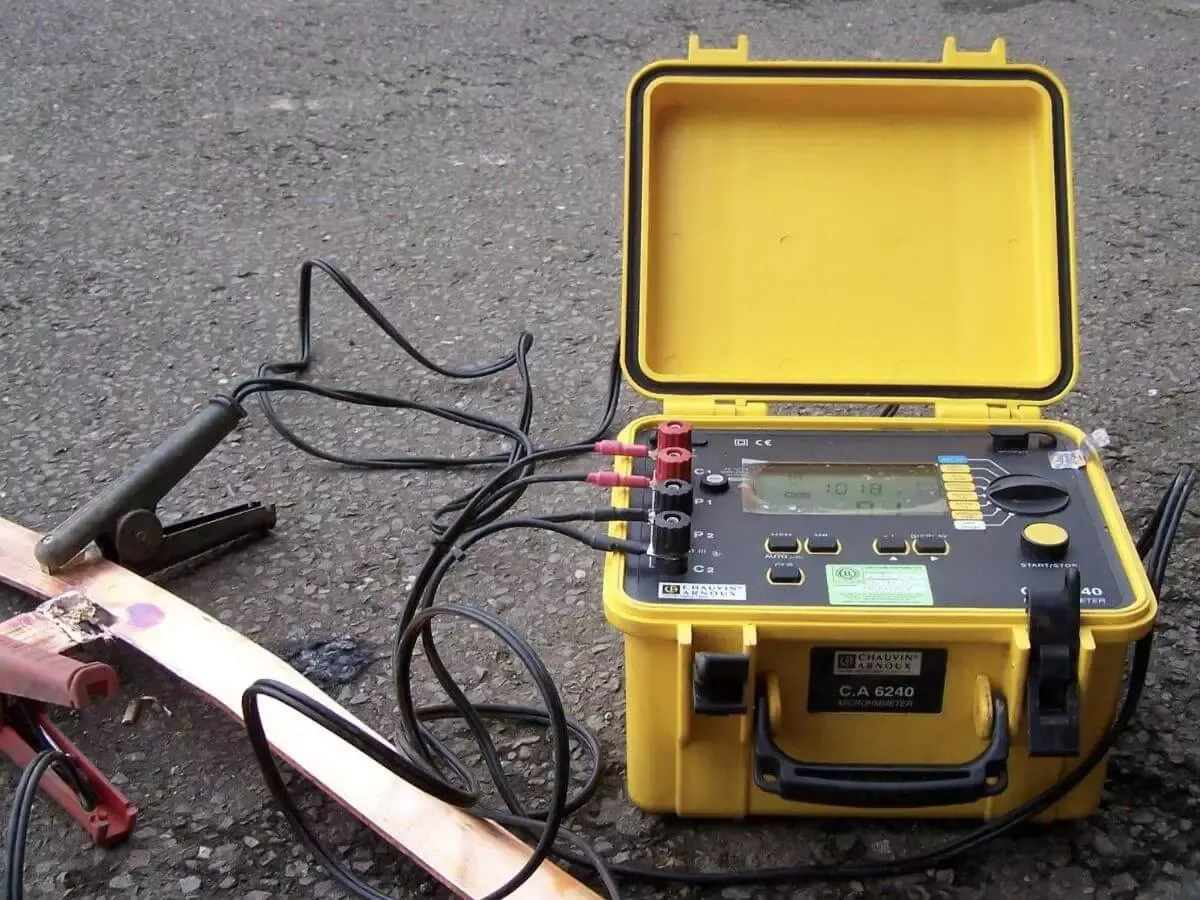
A. Detailed explanations and demonstrations are given of the various test methods and instruments that are required to test a lightning protection system.
Q. What documentation is required to inspect and test a lightning protection system?
A. There is no formal documentation standard, but the course provides examples of how inspection and test results may be formally recorded.
Q. What test instruments are required for testing lightning protection systems?
A. All types of instruments and test methods are described and demonstrated on the course.
Q. Will I need to bring my own test instruments on the course?
A. There is no need to bring your own instruments as these are provided and demonstrated on the course. You are welcome to bring your own instruments if you wish.
Q. Will I need PPE for the course?
A. PPE is not required for the course.
Q. Is there an exam at the end of the course?
A. There is a multi-choice open-book test at the end of the course to ensure you have understood the main points of the course. You must pass the test to be able to receive the course certificate.
Q. Will I need to retake the course after a period of time?
A. There is no need to retake the course unless there are significant changes in the standards, or you wish to refresh your knowledge of the subject.
A. How long does the course certificate remain valid?
A. There is no expiration date on the certificate or for the course attendance.
Q. How long is the course?
A. The course is a one-day course including exam.
Curriculum
Instructor

You May Like
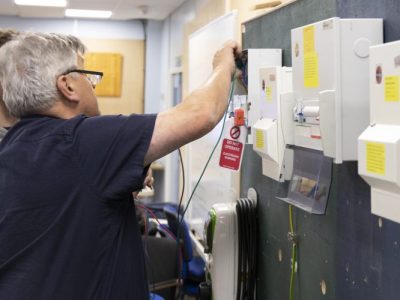
Safe Isolation
Aimed at electrical and non-electrical personnel who are required to competently and safely undertake electrical isolation for maintenance or installation purposes, to raise awareness of...
Vodafone Contractors Induction Course
This on-line course is intended for Vodafone electrical contractors. Its aim is to provide specific information to electrical contractors when performing their work within Vodafone...
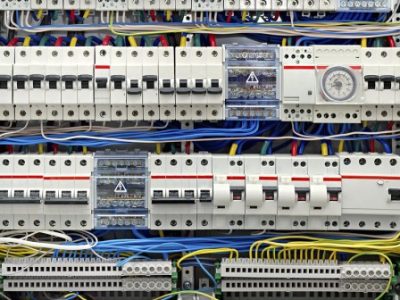
Electrical Testing
This 1 day course provides practical training for those wishing improve their electrical installation testing skills who do not require a formal qualification or for...
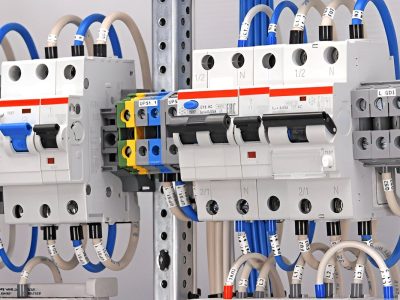
Electrical Systems and Circuits
his course is aimed at those wishing to gain a fundamental understanding in electrical systems and circuit theory. It is aimed at those with little...
Kitchen Electrical Training Courses – Domestic Electrician Training
A 1-day course designed for kitchen fitters and allied trades who are required to understand the requirements for electrical installations in domestic properties. Includes kitchens,...
Course Features
- Lecture 0
- Quiz 0
- Duration 1 day
- Skill level Intermediate
- Language English
- Students 0
- Assessments Yes